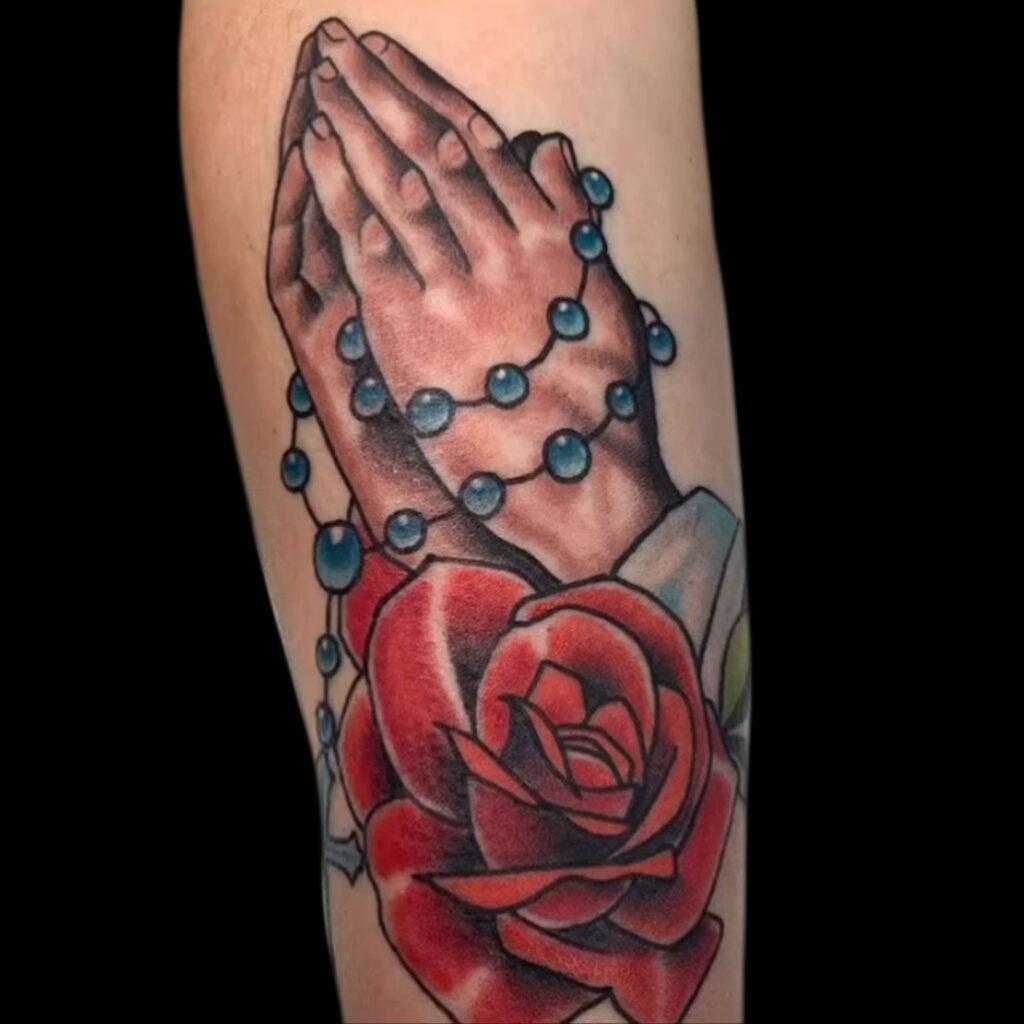
Line hierarchy
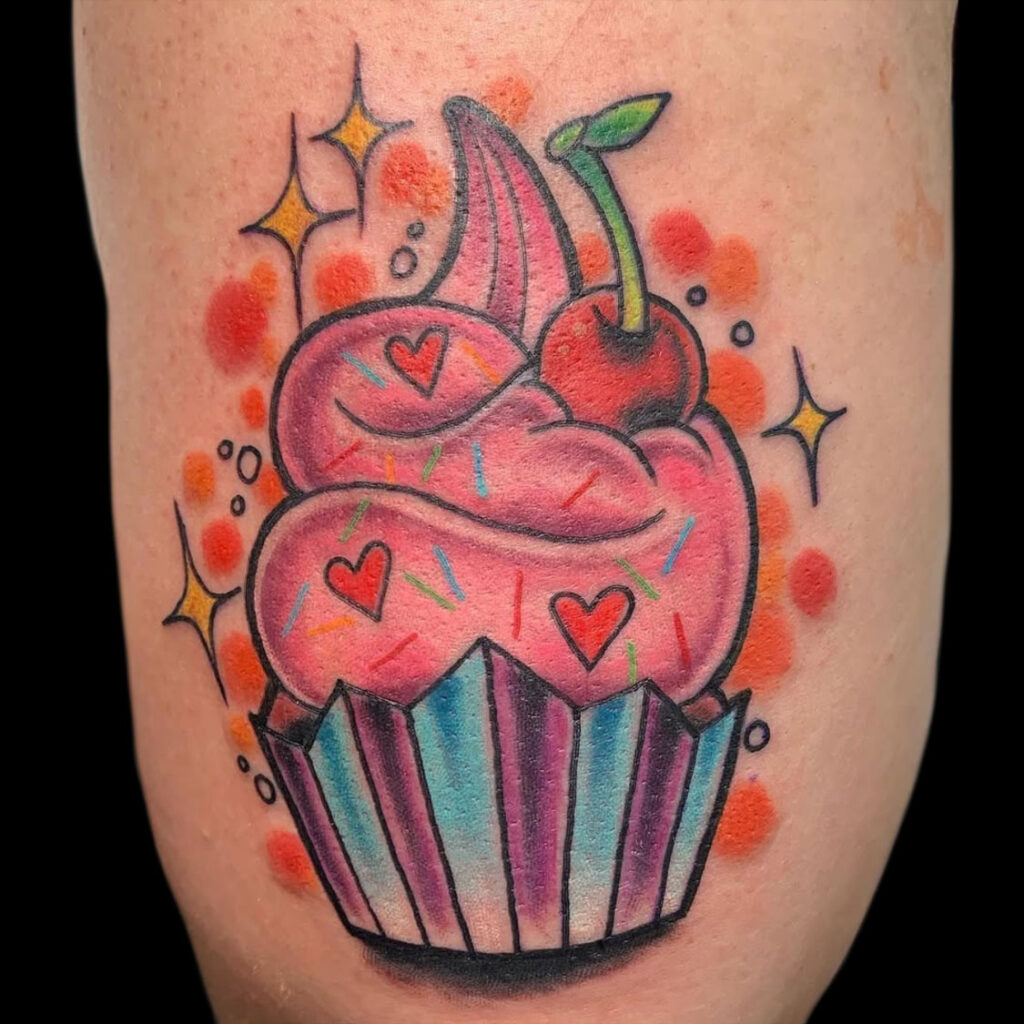
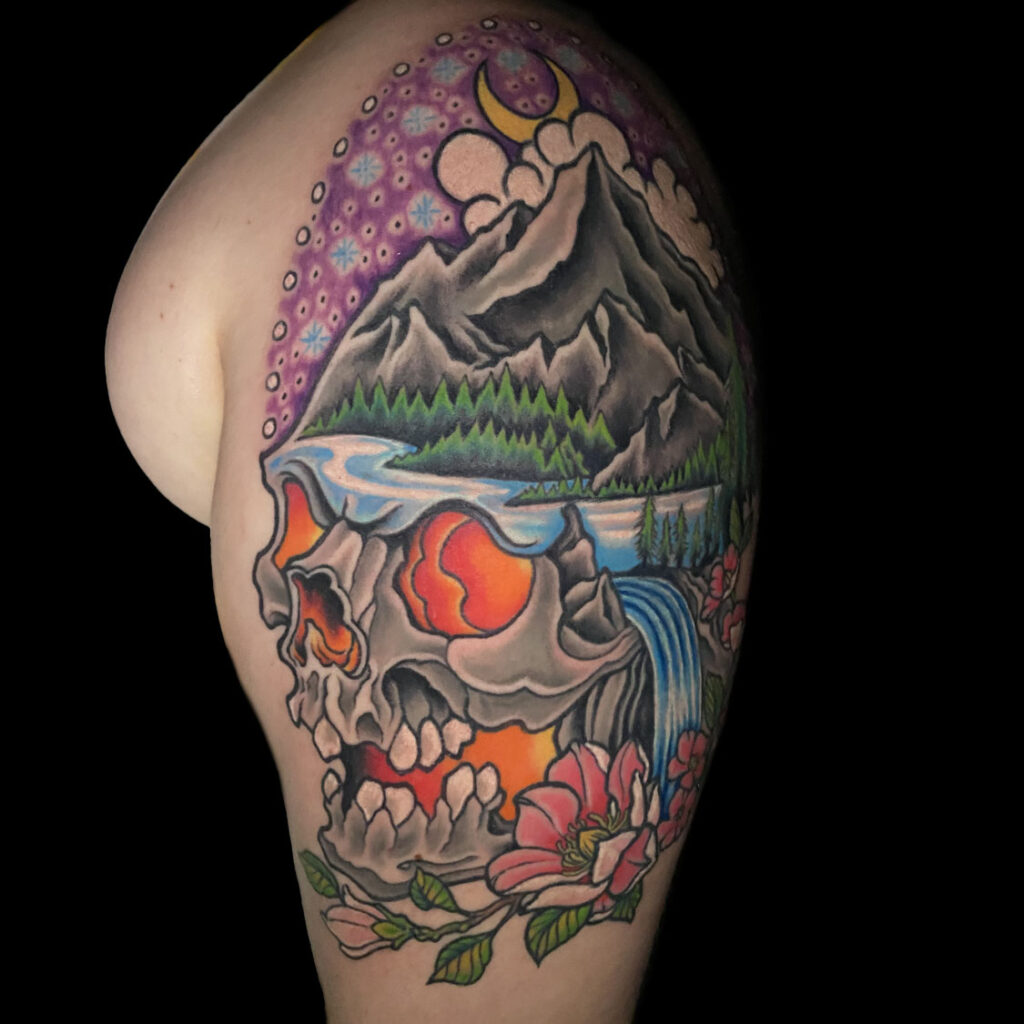
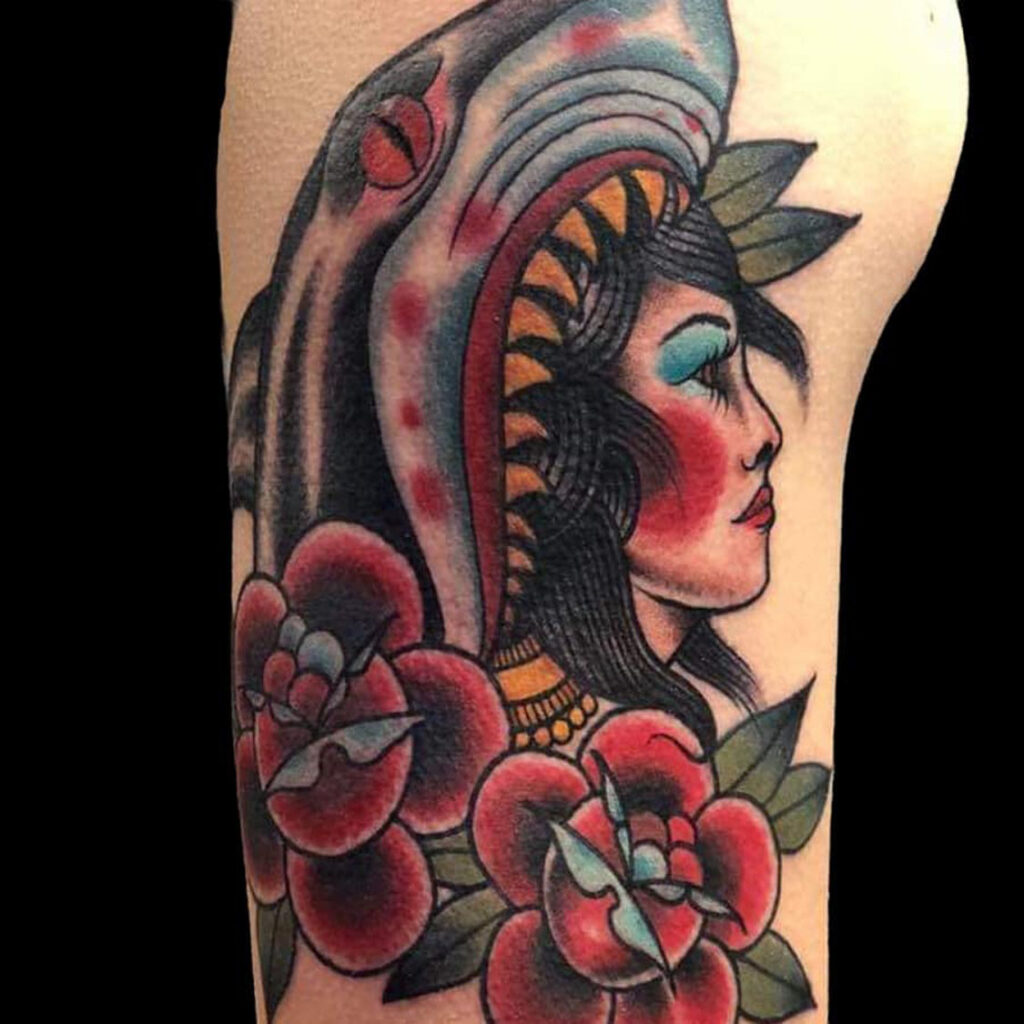
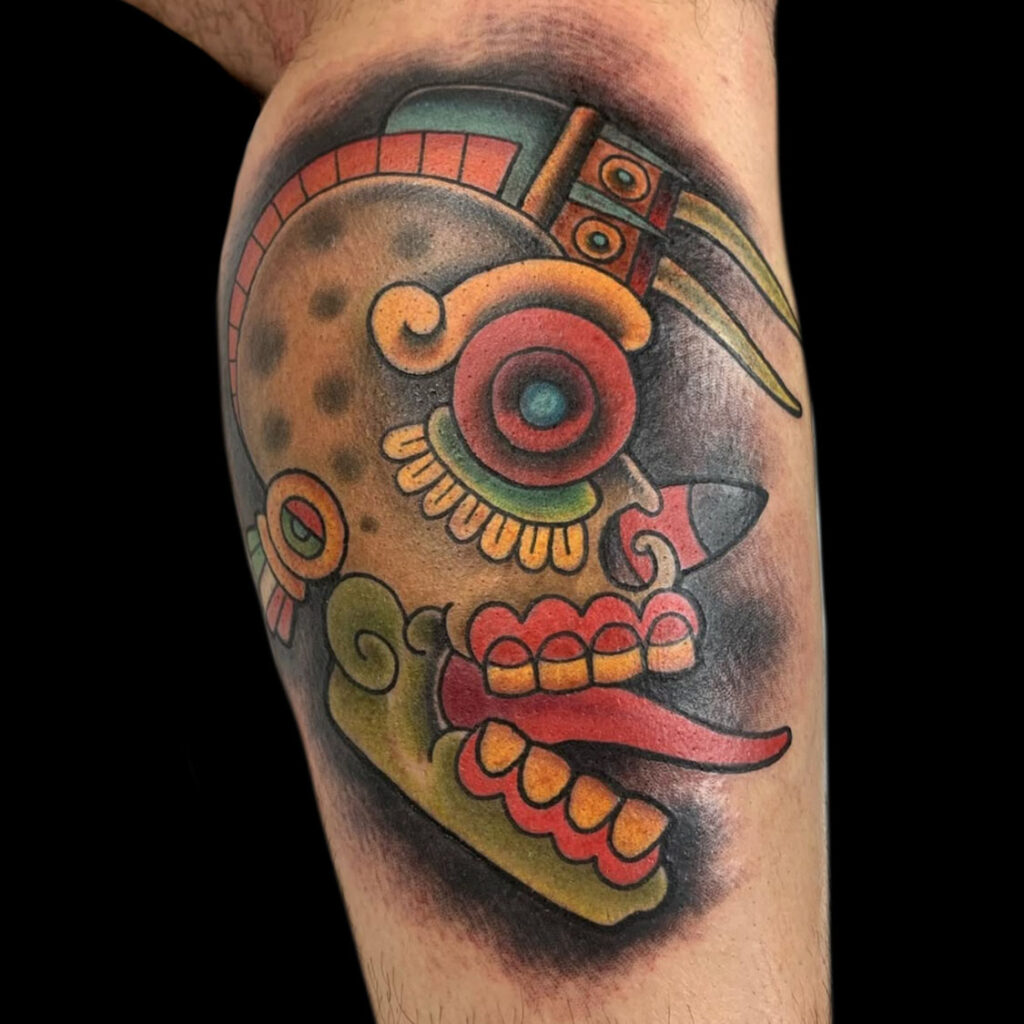
For instance, different line weights can separate the focal subject, interior details, hair, texture, background, and decorative elements without making every shape compete equally.
Bold color • Illustrated depth • Custom work
Strong structure with more color, dimension and personality. Explore real FIRME COPIAS neo-traditional tattoo work, compare design directions, and start at any of our four San Antonio shops.
Traditional strength. Modern illustration.
Neo-traditional tattooing keeps the readable foundation people recognize in traditional work, then expands it through broader color palettes, varied line weight, layered shading, decorative framing, stylized anatomy, and illustrative depth. As a result, the style can feel bold from a distance while revealing more detail up close.
At FIRME COPIAS, you can bring a personal story, pet, portrait, flower, fantasy character, religious image, Texas subject, or an idea that does not fit one obvious category. Then our San Antonio team reviews the subject, placement, scale, color direction, and required details before matching the project with an artist whose portfolio fits the work.

Neo-traditional tattoo portfolio
A serious portfolio should show more than bright color. In addition, look for controlled outlines, deliberate focal points, smooth transitions, balanced black, readable silhouettes, clean saturation, and enough range to prove the artist can adapt the style to different subjects and placements.


The foundation
Neo-traditional tattooing grows from the structural lessons of classic tattooing: an intentional silhouette, clear contrast, useful black, and a composition that remains readable. However, it gives the artist more freedom to vary line weight, expand the palette, develop light and shadow, stylize anatomy, and introduce decorative or illustrative influences.
For example, the word “neo” does not mean the design should become crowded. Instead, every extra color, texture, highlight, pattern, and background element must support the focal point. The finished tattoo should still make sense before someone studies the small details.


Personal subjects with illustrated range
Portraits, animals, pets, florals, skulls, religious subjects, fantasy characters, mythology, food, architecture, nautical scenes, Halloween imagery, Texas landscapes, and personal symbols can all work in this style. For example, a portrait may combine realistic facial structure with decorative hair, flowers, jewelry, patterned framing, or an exaggerated color story.
In addition, the subject does not have to come from old flash. A strong artist can translate an unusual reference into an illustrated tattoo by simplifying the main shape, controlling the focal point, and choosing which details deserve emphasis. Therefore, clients can bring multiple references without asking the artist to copy another person’s tattoo.
If your idea needs simpler shapes and a tighter classic palette, compare our traditional tattoos. If photographic accuracy is the main goal, review our realism tattoo work.


Palette with a purpose
For example, color neo-traditional tattoos may use saturated jewel tones, warm earth colors, pastels, muted shades, complementary contrast, or a limited palette built around one dominant hue. More color is not automatically better. Instead, the palette should separate important shapes, establish mood, support the skin tone, and keep the focal point clear.
Black-and-gray neo-traditional work can preserve the same illustrated depth through varied lines, deep black, gray wash, open skin, decorative framing, and controlled highlights. As a result, clients who prefer a limited palette do not have to give up the dimensional or stylized character of the approach.
Before deciding, compare the artist’s healed and fresh work when available. Clients seeking smooth photographic color should also review our color tattoos, while clients focused on gray wash can explore our black and gray tattoos.
Depth without losing clarity
No artist can guarantee exactly how every tattoo will age because skin, placement, sun exposure, aftercare, lifestyle, design, and healing all matter. Nevertheless, the artist can make disciplined choices that protect clarity instead of packing every available space with detail.
For instance, different line weights can separate the focal subject, interior details, hair, texture, background, and decorative elements without making every shape compete equally.
Deep darks, open skin, bright color, and softer transitions should guide the eye. Therefore, the strongest area receives attention before the supporting detail.
Follow your artist’s healing instructions and protect healed tattooed skin from excessive sun. In addition, review the American Academy of Dermatology’s tattooed-skin guidance for general long-term care.


Plan around movement and scale
Neo-traditional tattoos can work as stand-alone pieces, paired designs, large panels, connected sleeves, back pieces, chest compositions, or carefully planned collections. Because the style often includes more shading and internal detail than classic traditional work, the artist may recommend additional size or a simpler composition.
For example, arms and legs provide long shapes for portraits, animals, fish, florals, daggers, lighthouses, and vertical scenes. Meanwhile, the thigh, shoulder, chest, and back provide more space for wider focal points and layered backgrounds. Hands, elbows, knees, necks, and other high-movement areas require special planning.
Show the artist the actual body placement before the drawing is locked. That way, the focal point, movement, and supporting details can follow the body instead of fighting it.


References are a starting point
A custom project begins with the subject, placement, approximate size, preferred colors, meaning, and any details that must remain. For example, you may bring separate references for pose, palette, clothing, flowers, framing, mood, or background. Then the artist decides how those parts can become one readable tattoo.
Existing flash can also provide a useful starting point when the artist offers it. However, a flash design and a fully custom composition require different drawing time and planning. Neither route is automatically better; the correct choice depends on your idea and how specifically it must fit your body.
For portraits of people or pets, bring the clearest original reference available. For invented characters or symbolic scenes, explain what viewers must recognize first and which details can remain flexible.
Portfolio before promises
The right artist depends on the exact project. Therefore, compare portfolios for the qualities your tattoo needs: portraits, animal anatomy, decorative illustration, smooth blends, saturated color, black-and-gray depth, expressive characters, large compositions, or small detailed work.
Review actual tattoos across subjects, placements, sizes, skin tones, palettes, and lighting. Consistency across several pieces matters more than one strong photograph.
A responsible artist may recommend a larger size, reduced detail, changed placement, or different color balance when those adjustments protect the final composition.
Start with the FIRME COPIAS location closest to you. Our team can help connect the project with another San Antonio artist or shop when that portfolio is a better fit.
In addition, clients should expect a professional environment, clear preparation and aftercare instructions, and practices consistent with applicable studio requirements. Texas regulates tattoo and body-piercing studios through the Texas Department of State Health Services tattoo-studio program.
From references to finished composition
First, a clear process gives the artist better information and helps separate the essential parts of the idea from the details that can remain flexible.
Bring the subject, reference images, placement, approximate size, preferred colors, and details that must remain.
Compare portfolios and choose the artist whose linework, shading, palette, and subject range fit the project.
The artist develops the focal point, body flow, color plan, contrast, background, and level of detail around the placement.
Arrive prepared, follow session guidance, and use the exact aftercare instructions provided by the shop.
Choose the best way to begin
All four FIRME COPIAS San Antonio shops welcome walk-ins daily. However, availability still depends on the artist, complexity, drawing time, estimated session length, and current shop schedule.
Smaller subjects, clear references, straightforward placements, and simplified color plans may work the same day when the right artist has time.
Portraits, sleeves, large custom scenes, complex color, difficult placements, and artwork requiring extensive drawing should usually be planned.
Explain what you like about each reference instead of asking for a direct copy. Include the body placement and approximate dimensions.
Quotes based on the actual project
In practice, pricing depends on the artist, size, placement, detail, palette, drawing time, session length, and whether the project needs multiple appointments. For example, a small simplified character and a full-color sleeve do not require the same preparation, materials, or tattoo time.
Therefore, provide the complete subject, reference images, body placement, approximate dimensions, preferred color direction, and any deadline when requesting an estimate. An in-person evaluation may be necessary when existing tattoos, scars, placement, or body movement affects the plan.
FIRME COPIAS also offers a 25% military tattoo discount for qualifying active-duty service members, veterans, retired military, Reserve, and National Guard clients with military identification. Offer terms apply and discounts cannot be combined.


Four San Antonio tattoo shops
First, start at the nearest shop with your references. If another FIRME COPIAS artist is a stronger match for the neo-traditional tattoo you want, the team can help direct the project.
Serving Southwest San Antonio, Lackland-area clients, and nearby neighborhoods. Open daily 9 AM–2 AM; walk-ins welcome.
Serving the West Side, Loop 410, Marbach, Lackland-area clients, and surrounding communities. Open daily 9 AM–2 AM.
Serving Culebra Road, Alamo Ranch, Northwest San Antonio, and nearby neighborhoods. Open daily 9 AM–2 AM.
Serving Northwoods, Stone Oak, US 281 North, Bulverde Road, Encino Park, and surrounding areas. Open daily 9 AM–2 AM.
Compare the direction before you book
Some ideas cross several styles. Therefore, these pages can help clarify whether neo-traditional illustration, classic traditional structure, realism, lettering, or another approach fits the final piece.
Neo-traditional tattoo questions
These answers cover the main decisions clients make before choosing an artist, walking in, or booking a neo-traditional tattoo consultation.
Neo-traditional tattooing builds on traditional structure with bold or varied linework, richer color palettes, layered shading, decorative detail, and more illustrative depth. The exact balance changes with the artist and subject, but the composition should still remain clear and intentional.
Traditional tattoos usually use simpler shapes, strong black, bold outlines, and a more focused palette. Neo-traditional tattoos keep a strong foundation while allowing broader color, dimensional shading, decorative framing, stylized anatomy, and more complex illustration.
No. Saturated color is common, but the style can also use muted palettes, earth tones, limited color, or black and gray. Linework, contrast, composition, and illustrative depth are more important than using every available color.
Yes. Black-and-gray neo-traditional tattoos can use varied line weight, smooth gray wash, deep black, open skin, decorative shapes, and dimensional shading while keeping the illustrated character of the style.
Animals, portraits, florals, skulls, religious imagery, fantasy characters, food, pets, Art Nouveau-inspired figures, nautical scenes, Texas subjects, and personal symbols can all work well. The artist adapts the structure to the subject and placement.
Yes. Bring your subject, references, placement, approximate size, preferred colors, and required details. The artist can combine those elements into a new composition instead of copying another person’s tattoo.
Sometimes. Smaller designs with clear references may work as walk-ins when the right artist has enough time. Larger custom pieces, portraits, sleeves, complex color plans, and difficult placements should usually begin with a consultation or appointment.
Pricing depends on the artist, size, placement, detail, color plan, drawing time, session length, and number of appointments. Share the complete idea and placement with a FIRME COPIAS shop for the most useful estimate.
Arms, legs, thighs, shoulders, chest, and back provide useful space for illustrated compositions. The best placement depends on the design shape, focal point, detail, and size. Hands, necks, elbows, knees, and other high-movement areas need more specific planning.
Follow the exact cleaning, moisturizing, clothing, water, activity, and sun instructions given by your artist. Do not pick or soak the tattoo while it heals, and contact the shop if you have a question about the healing process.
Bring the idea
Finally, choose the closest FIRME COPIAS San Antonio shop, share the subject and placement, and let the team help match the work with the right artist. Walk in with a straightforward idea or book ahead for custom drawing and detailed planning.